Concrete Repair vs Replacement: Which Is the Better Option?
Choosing between concrete repair and replacement depends on your needs, and local contractors can assess and perform the best solution for your project.
Deciding between concrete repair and replacement is a common concern for property owners looking to maintain or improve their outdoor spaces. Whether dealing with cracks, uneven surfaces, or other signs of wear, understanding the practical differences can help make informed choices. This guide is designed to help those in the area explore the advantages and considerations of each option, ensuring they find solutions that fit their needs and budgets. Local contractors specializing in concrete services can provide valuable insights and tailored recommendations to address specific issues effectively.
As property owners weigh their options, it’s important to consider factors like the extent of damage, long-term durability, and cost-effectiveness. Repair methods often suit minor problems and can extend the life of existing concrete, while replacement might be necessary for more severe cases. Exploring these options with experienced local service providers can clarify which approach is best suited to a particular situation. Keep reading to learn more about the key differences and how local experts can assist in making the right decision for your property.
- Concrete repair services are suitable when cracks, surface damage, or minor deterioration are present, and local contractors can assess whether repairs will restore the concrete’s integrity. Replacement services are often needed when the concrete has extensive damage, severe cracking, or structural issues that repairs cannot effectively address. Local service providers evaluate the condition of the concrete to determine if patching or resurfacing suffices or if a full replacement is the more durable solution. For those weighing concrete repair vs replacement, local pros can advise on the most cost-effective and long-lasting option based on the concrete’s current state. Contact local contractors to get expert guidance on whether repair or replacement is the better option for specific concrete concerns.
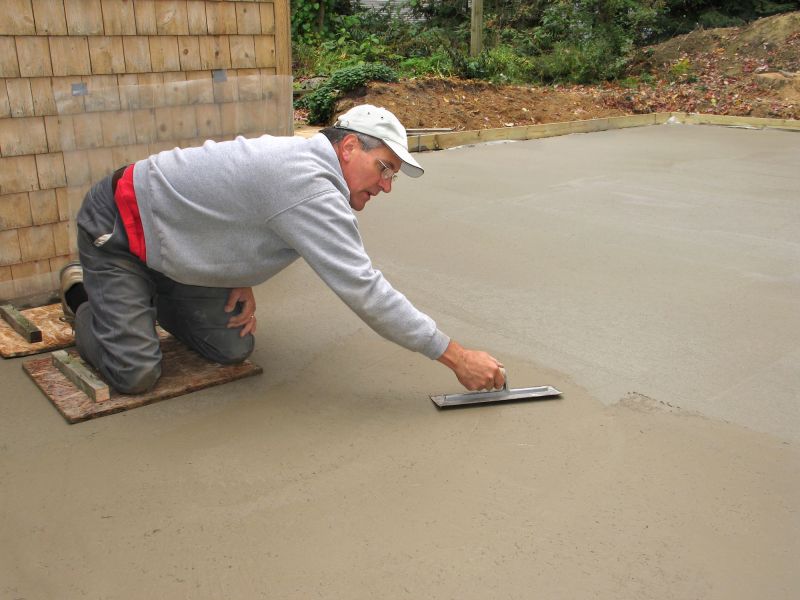
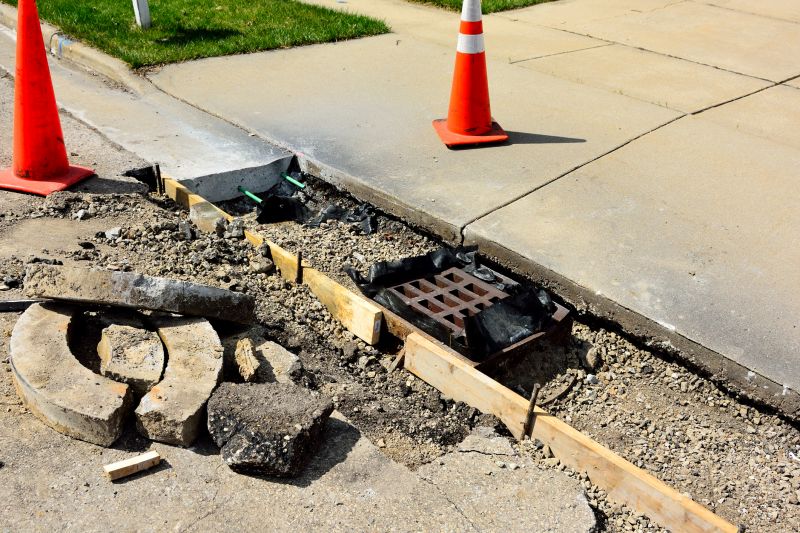
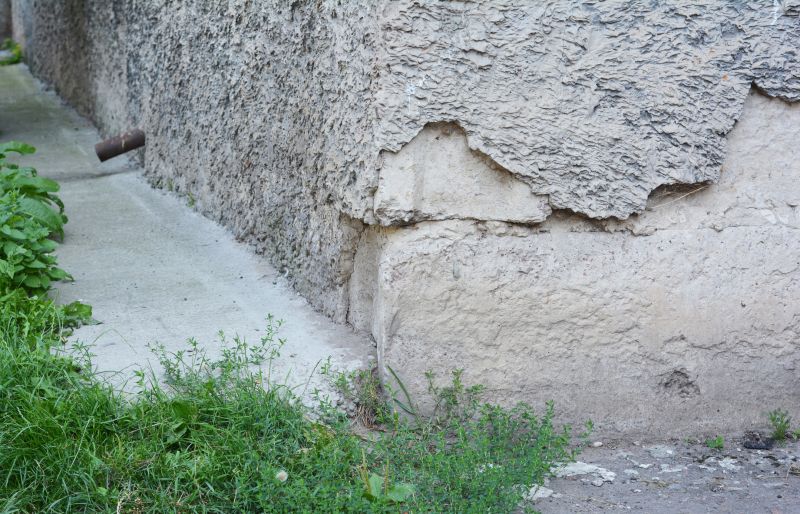
When homeowners search for information about concrete repair vs replacement: which is the better option?, they are usually trying to determine the most effective way to address issues with their existing concrete surfaces. This topic often comes up when dealing with problems such as cracks, uneven slabs, spalling, or surface deterioration that compromise the safety, appearance, or functionality of driveways, patios, or walkways. Many property owners want to understand whether repairing these issues will extend the life of their concrete or if a full replacement is necessary. The decision hinges on evaluating the extent of damage, the age of the concrete, and the overall condition of the surface, all of which local contractors can help assess.
This topic is closely related to a variety of property plans and maintenance concerns. For homeowners with aging concrete that has developed widespread cracking or structural problems, the question of repair versus replacement becomes urgent. It also applies to those planning renovations or upgrades, such as adding new features or improving curb appeal. In some cases, the goal is to restore functionality without the disruption or expense of tearing out and replacing entire slabs. Local service providers specializing in concrete repair or replacement can offer expert guidance on the best approach based on the specific issues and the desired outcome, whether that involves patching, resurfacing, or full removal and new installation.
The types of properties that often face this decision include residential homes, especially those with driveways, patios, or basement floors that show signs of wear. Commercial properties, such as parking lots, storefront entrances, or warehouse floors, also frequently encounter concrete issues that require attention. In these settings, the choice between repair and replacement can impact safety, accessibility, and appearance, making it essential to work with experienced contractors who understand the nuances of each approach. Local pros can evaluate the condition of the concrete, identify underlying causes of damage, and recommend solutions that balance durability, cost, and long-term performance.
Understanding the differences between concrete repair and replacement helps homeowners connect the right approach to their project needs. Repair options, like crack filling or surface patching, can be suitable for minor issues or localized damage, providing a cost-effective way to extend the lifespan of existing concrete. Replacement, on the other hand, is often necessary when damage is extensive or structural integrity is compromised. Local contractors specializing in both services can assist property owners in making informed decisions, ensuring that the chosen method aligns with the property's condition and future plans. This way, homeowners can address concrete problems effectively while maintaining the safety and appearance of their property.
Foundation Repair - foundation repair projects often require similar skills in assessing structural integrity and utilizing specialized tools, making them comparable to concrete repair and replacement services.
Driveway Resurfacing - driveway resurfacing involves surface preparation and finishing techniques akin to concrete repair, with local contractors handling both types of projects efficiently.
Patio and Walkway Construction - building new patios or walkways requires planning and concrete work skills similar to those used in concrete repair or replacement jobs.
Garage Floor Coatings - applying coatings to garage floors involves surface preparation and concrete finishing skills, aligning closely with concrete repair processes.
Slab Jacking and Underpinning - these techniques involve stabilizing and lifting existing concrete structures, sharing planning and tool use with concrete repair services.
Industrial Floor Installation - installing durable industrial floors demands precise concrete work and planning, paralleling the skills needed for concrete repair or replacement projects.
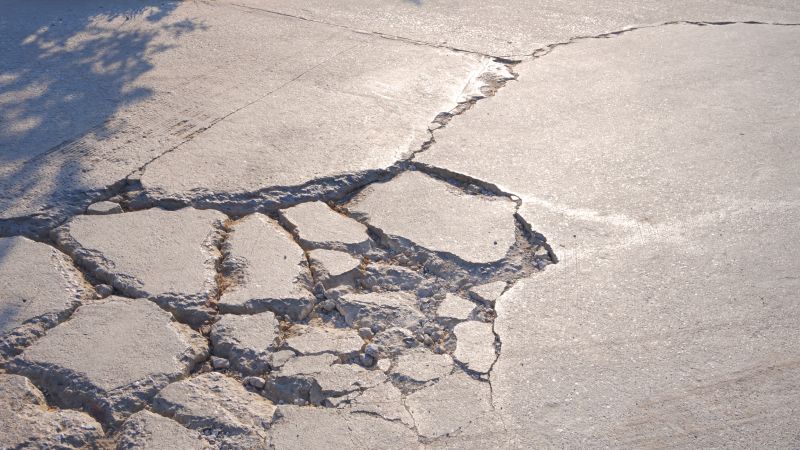
When evaluating concrete repair versus replacement, it is essential to consider the experience of local contractors with similar projects. Homeowners should seek service providers who have a proven track record of handling repairs or replacements comparable to their specific needs. Contractors with extensive experience are more likely to understand the nuances of different concrete issues, whether cracks, spalling, or structural concerns, and can recommend the most appropriate solution. Reviewing portfolios, project histories, or asking about previous work can help gauge a contractor’s familiarity with the type of repair or replacement required, ensuring the chosen professional has the expertise to deliver quality results.
Clear, written expectations are a vital part of selecting the right local pros for concrete work. A reputable contractor should be able to provide detailed descriptions of the scope of work, materials to be used, and the estimated process involved in either repairing or replacing concrete. This transparency helps homeowners understand what to expect during each phase of the project and allows for better comparison between different service providers. Well-documented plans and proposals also serve as a foundation for addressing any questions or concerns that may arise, reducing misunderstandings and ensuring that both parties are aligned on the project’s goals.
Reputable references and effective communication are key indicators of a reliable contractor. Homeowners should inquire about references from past clients or seek online reviews to gain insight into the contractor’s professionalism and quality of work. Good communication throughout the project-such as prompt responses to questions, clear explanations of options, and updates on progress-can significantly impact the overall experience. Service providers who prioritize transparent dialogue and have positive references are more likely to deliver satisfactory results, whether performing concrete repairs or opting for full replacement, helping homeowners make an informed decision aligned with their project needs.
Property owners often search for concrete repair vs replacement: which is the better option? when they are planning practical projects around their homes and businesses. Local pros provide Concrete Repair or Replacement services for everyday jobs and straightforward project options.
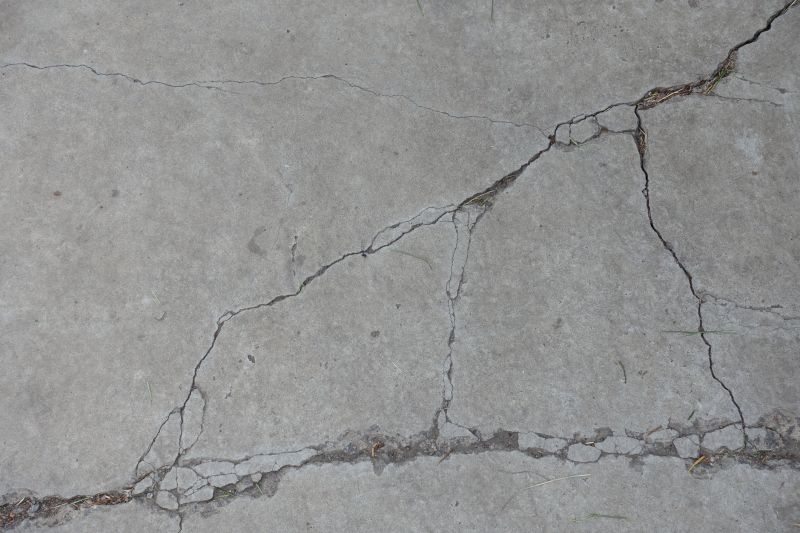
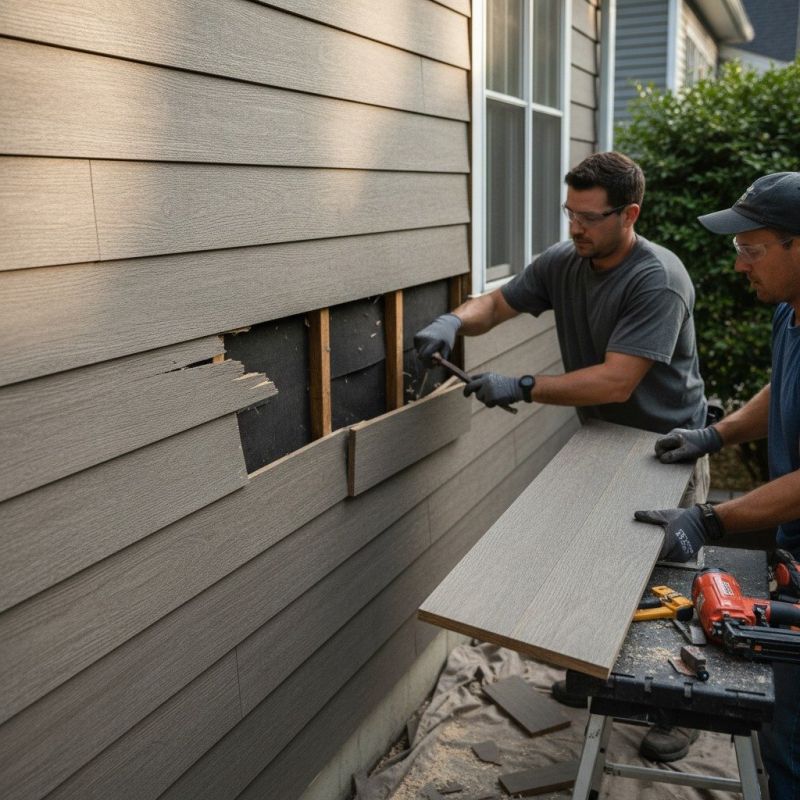
When property owners notice cracks, uneven surfaces, or other signs of deterioration in their concrete structures, they often wonder whether repair or replacement is the best solution. For many, choosing concrete repair services can be a practical way to restore functionality and appearance without the need for a full replacement. Local contractors offering repair options can address specific issues like cracks, spalling, or surface damage, making repairs a convenient choice for minor to moderate problems that don’t compromise the overall integrity of the concrete.
However, in cases where the concrete is severely damaged, extensively cracked, or has underlying issues that repair can’t fully resolve, replacement might be the more effective option. Property owners considering this route can turn to local service providers who specialize in full-scale concrete replacement, ensuring the new surface is durable and long-lasting. Comparing these options with the help of local contractors can help property owners make informed decisions based on the condition of their concrete and their long-term goals for the space.
When should concrete repair be considered over replacement? Concrete repair is typically suitable for minor damages like cracks or surface deterioration, while replacement may be necessary for extensive structural issues or severe damage that cannot be effectively restored by repair methods.
Can concrete repair extend the lifespan of an existing slab? Yes, professional concrete repair can help prolong the life of a concrete surface by addressing issues early and preventing further deterioration, making it a practical alternative to full replacement in many cases.
What factors influence the decision between repairing and replacing concrete? Factors such as the extent of damage, age of the concrete, underlying issues, and the desired durability influence whether local contractors recommend repair or replacement for concrete surfaces.
Are there situations where replacement is the only option? Replacement may be the only viable choice when the concrete has sustained structural failure, widespread cracking, or significant settling that cannot be effectively remedied through repair techniques.
How do local service providers determine the best approach for concrete issues? Local contractors evaluate the condition of the concrete, assess damage severity, and consider the long-term performance to recommend either repair or replacement as the most effective solution for the specific situation.
Assessing Damage - Property owners can evaluate whether cracks or surface issues are minor enough for repair or if replacement is necessary, guiding decisions for local contractors.
Choosing Repair Methods - Deciding between surface repairs or structural fixes can help determine if concrete repair services will extend the lifespan of existing slabs.
Considering Long-Term Needs - Evaluating the future use of the space can influence whether repair is sufficient or if replacement will better serve ongoing demands.
Consulting with Experts - Seeking advice from local contractors about the condition of concrete can clarify if repair or replacement offers the most practical solution.
If you are thinking about concrete repair vs replacement: which is the better option? for a property, this guide is meant to help you understand this topic, the typical project types, and how different options might fit your plans.
When you are ready, you can use the quote form on this page to share a few details about your project. From there, local pros can review the basics and follow up with options that match what you have in mind.